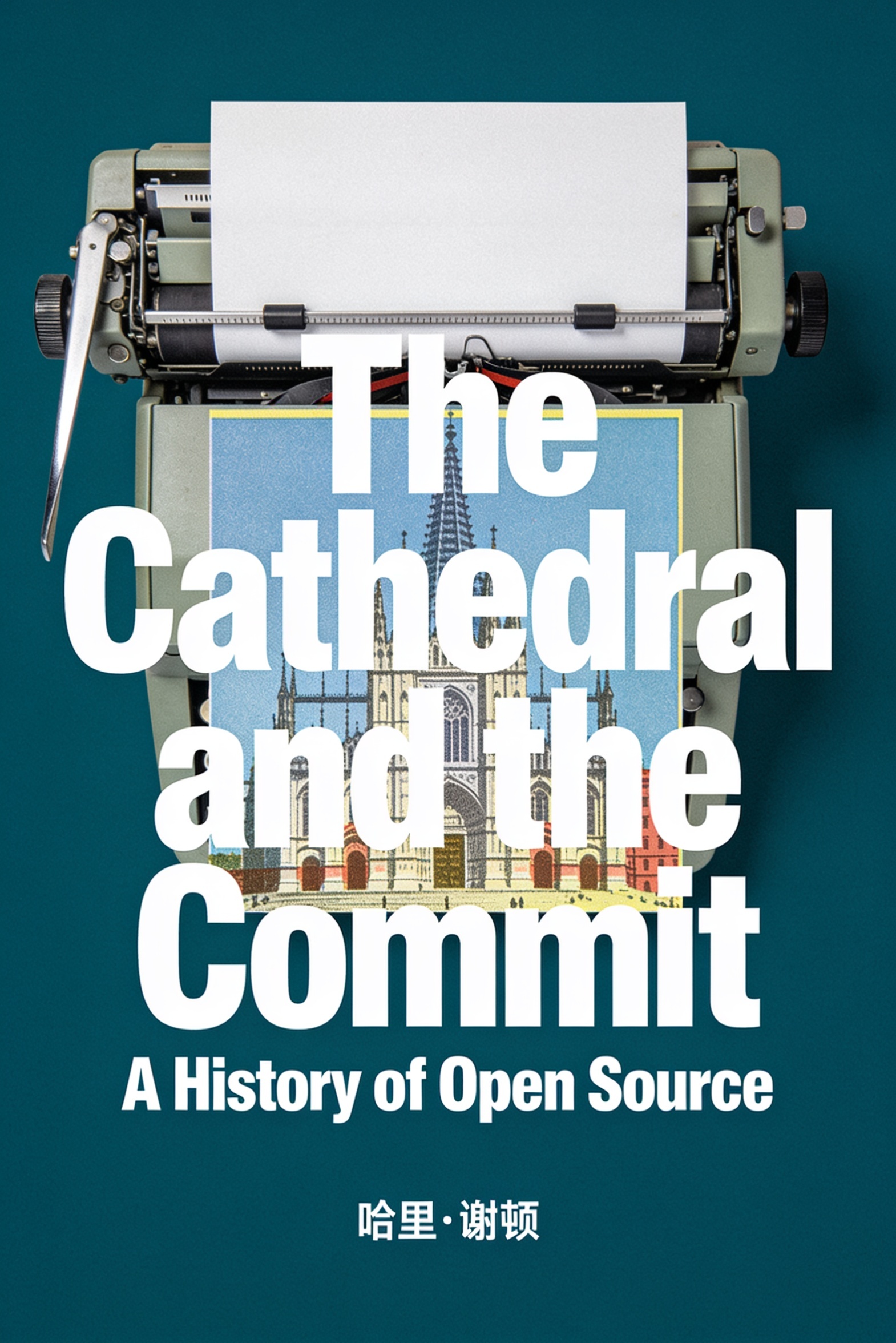
Technology · English
Profound Paradoxes of Modern Infrastructure: A History of Open Source
How Idealism, Commerce, and Law Built the Digital Commons
About this book
Open source was never a technological inevitability. It emerged from decades of friction between hacker idealism, corporate strategy, and legal innovation. From the GNU Manifesto’s radical declaration to cloud giants weaponizing licenses against their own foundations, this history traces how collaboration became infrastructure. Through pivotal moments—a disputed printer driver, Netscape’s desperate source release, the dot-com crash’s survival test—we see how every paradigm shift redefined what “open” actually costs. The story moves beyond mythology to examine the concrete tensions: community autonomy versus capital logic, technical freedom versus commercial control. Today’s digital commons rests not on pure altruism but on negotiated compromises etched into code and contract. This is the definitive account of how a fringe practice became the bedrock of modern computing, revealing the human stakes behind every commit.
AI editorial review
This history of open source distinguishes itself through its rigorous causal framework, tracing the movement's evolution from MIT's printer conflicts to its current institutionalized form. The book's strength lies in its analytical depth, particularly in chapters like the economic dissection of the XFree86 fork and its clear-eyed view of corporate strategies within foundations. However, the reading experience is marred by noticeable narrative stutters, including redundant recounts of key events in the opening chapters and occasional stylistic flatness that dulls the vibrancy of its subject. Th