World History · English
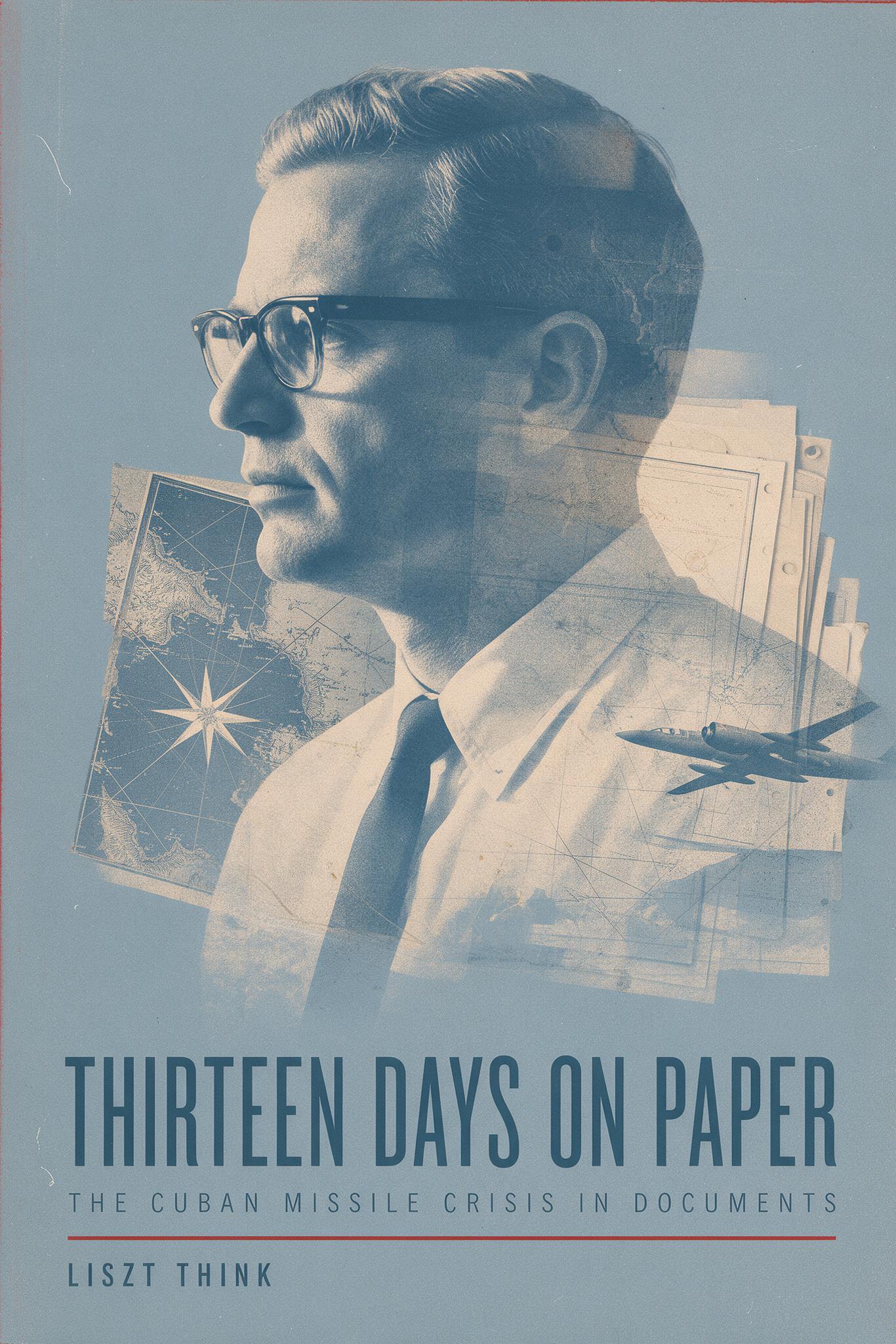
Thirteen Days on Paper: The Cuban Missile Crisis in Documents
The Cuban Missile Crisis in Documents
About this book
The Cuban Missile Crisis was not resolved by steely nerves alone, but by an avalanche of paperwork. From ExComm tapes and State Department cables to Soviet Presidium minutes and U-2 photo interpretation reports, the thirteen days of October 1962 survive in an extraordinary archival trail. Reading the crisis strictly through these primary sources reveals two governments improvising control over events they only half understood. This narrative reconstructs the standoff hour by hour, letting garbled intelligence, contradictory logs, and silent gaps in the record speak for themselves. Rather than smoothing the past into retrospective certainty, the documents confront each other to expose the chasm between what leaders said in private and what their bureaucracies executed on the ground. Experience the crisis as it actually unfolded: information arriving late, incomplete, and terrifyingly ambiguous. This is the definitive documentary account of how paper, not just brinkmanship, averted nuclear catastrophe.
AI editorial review
This archival chronicle shines in its commitment to the paper trail as protagonist, delivering a powerful cumulative insight: the crisis was ultimately measured in 'more tons of paper than tons of missiles.' The bureaucratic voice is consistently effective, and the juxtaposition of raw documents—like ExComm tapes against formal communiqués—creates a genuinely stereoscopic historical effect. However, the narrative drive occasionally stalls, betrayed by clunky chapter titles and patches of repetitive, mechanical prose that undercut the material's gravity. A more critical flaw is the use of uncit