World History · English
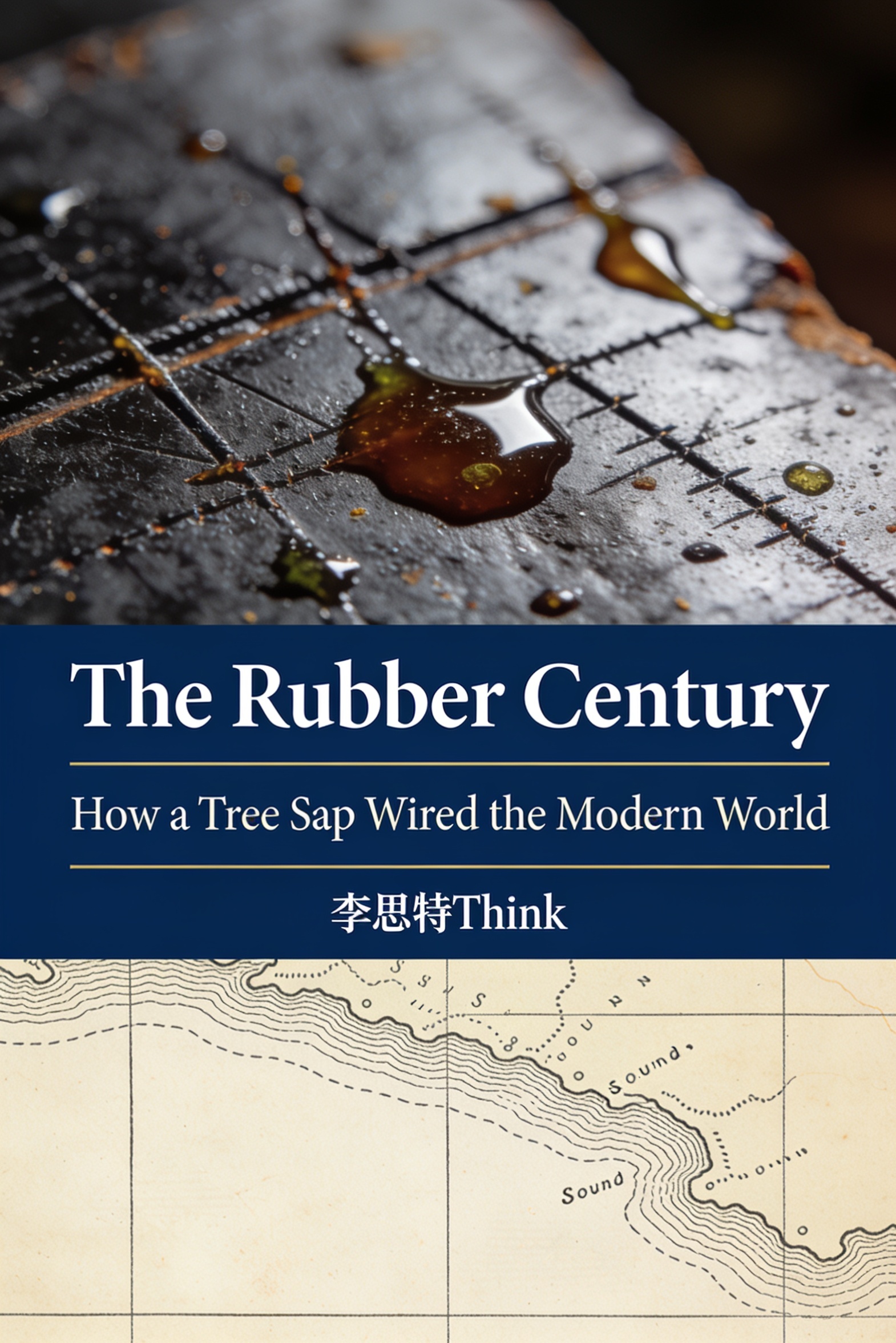
The Rubber Century: How a Tree Sap Wired the Modern World
How a Tree Sap Wired the Modern World
About this book
A milky sap from Amazonian trees became the material precondition for tires, wires, and war. Rubber was the first truly global commodity whose supply chain was engineered by design: seeds smuggled across oceans, plantations carved from jungle, and colonies reorganized to feed an insatiable industrial engine. Every leap in modern mobility carried a hidden cost paid in coercion and extraction. From Charles Goodyear’s heated coil to the synthetic laboratories of wartime Akron, this history traces the substance through specific objects and trade routes rather than broad surveys. It reveals how the bicycle tire coincided with famine, how estate payrolls masked colonial profit spirals, and how synthetic substitutes emerged from monopolist panic. Spanning the Congo, Malaya, and the American interstate system, the narrative anchors abstract economic forces in concrete realities of wages, tonnage, and human labor. This is the story of how a single botanical exudate was transformed into the unyielding infrastructure of contemporary life.
AI editorial review
This global history of rubber excels in its structural intelligence, particularly in the middle chapters where precise, multi-location montage—like juxtaposing a Texas highway photo with a Malayan estate map—brilliantly captures the commodity's simultaneous global impact. The narrative is at its best when anchored in material specifics, such as the 25-cent price threshold tied to concrete plantation costs. However, the final chapters disappoint by abandoning this rigorous, object-led approach. The conclusion drifts into abstract editorializing, missing the powerful, data-driven closing punch t