World History · English
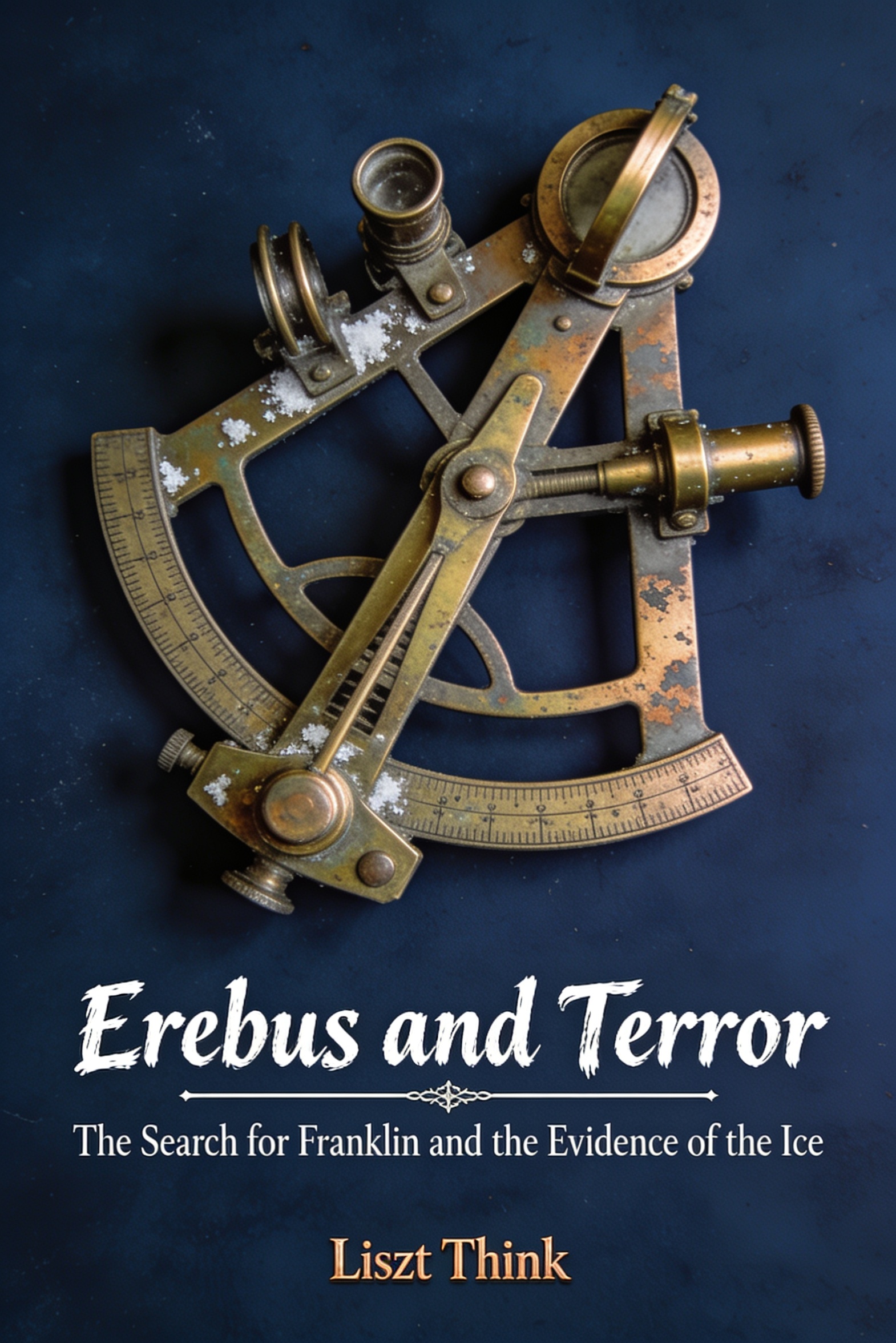
Erebus and Terror
The Search for Franklin and the Evidence of the Ice
About this book
In May 1845, HMS Erebus and HMS Terror sailed into Baffin Bay and vanished. What followed was the most extensive search in maritime history, driven by Admiralty orders, Lady Jane Franklin’s relentless campaigns, and the controversial testimony of Inuit witnesses. This narrative reconstructs the decades-long quest through the documents that defined it: journals, official reports, and the Victory Point record. From John Rae’s scandalous 1854 revelations to Francis Leopold McClintock’s discovery of skeletons on King William Island, every turn relies on verifiable evidence rather than speculation. Where accounts contradict, the record speaks for itself. The story extends beyond Victorian tragedy to the 2014 and 2016 sonar surveys that finally located the wrecks. A meticulous chronicle of obsession, protocol, and forensic discovery, this history lets the primary sources reveal how an empire grappled with loss and how modern archaeology completed the circle of testimony begun on the frozen sea.
AI editorial review
This reconstruction of the Franklin search excels by grounding its argument in the physical world—the kerosene-tainted pemmican, the canvas-wrapped bones. Its sharpest insight lies in treating the expedition as a clash between imperial bureaucracy and Arctic reality, a critique vividly carried by such material details. However, the narrative's disciplined, time-stamped drive, so strong in the mid-century chapters, slackens toward the end. The final section drifts into retrospective, essayistic summary, abandoning the scene-based immediacy that made the earlier reckoning so compelling. While it