World History · English
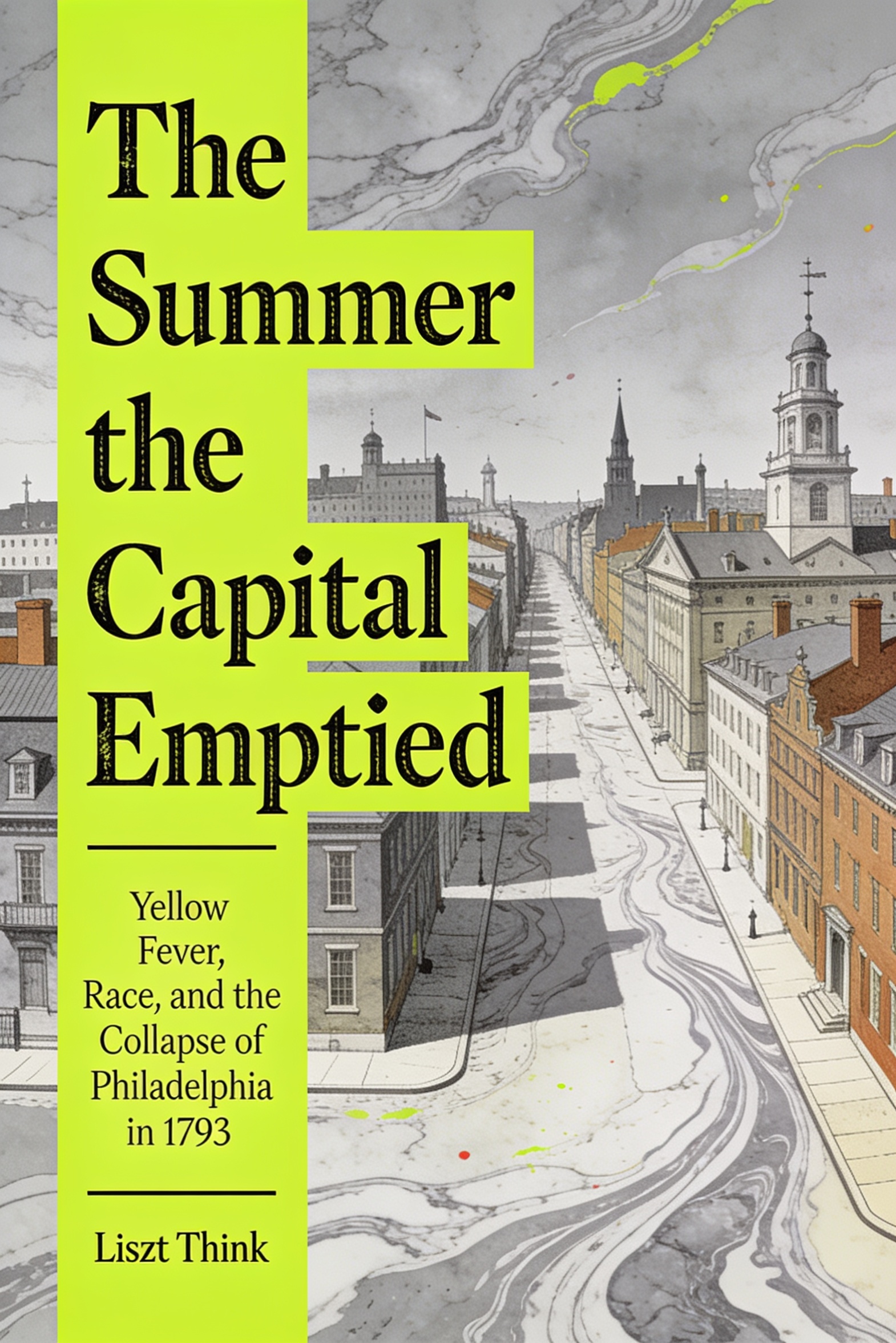
The Summer the Capital Emptied
Yellow Fever, Race, and the Collapse of Philadelphia in 1793
About this book
In August 1793, yellow fever struck Philadelphia, then the nation’s capital. Within weeks, George Washington fled and half the city followed. Five thousand died before the first frost. Amid the exodus, Dr. Benjamin Rush bled patients by doctrine while French physician Jean Devèze and merchant Stephen Girard transformed Bush Hill hospital into a sanctuary of practical care. Absalom Jones and Richard Allen led the Free African Society in nursing the sick and burying the dead under a false promise of immunity, only to face public condemnation after the crisis passed. From waterfront wharves to the Committee of Twenty’s ledgers, this narrative reconstructs a city governed by volunteers when federal authority vanished. Drawing on letters, burial returns, and contemporary accounts, it reveals how medical dogma, racial prejudice, and civic duty collided in America’s first great public health catastrophe.
AI editorial review
This panoramic reconstruction of Philadelphia's 1793 yellow fever crisis meets the structural demands of the form with commendable discipline. The book excels in laying competing causes—such as Dr. Rush's medical doctrine versus French physician Devèze's contrasting methods—side by side, allowing the documented contradictions to generate genuine insight rather than imposing a reductive synthesis. Its physical detail is often precise and dated, grounding the narrative. However, the historical illusion is occasionally broken, most notably by the reliance on an unnamed source for a key October re